
Malaria infection is a serious disease caused by parasites. These parasites enter the body through the bite of an infected mosquito. In many tropical regions, malaria is a common health risk. The disease can make people very sick, but it is preventable and treatable. Early care is important for a full recovery. According to the World Health Organization (WHO), malaria affects millions each year.
After a malaria infection, symptoms may appear within 7 to 30 days. However, some people may notice signs sooner or later. Early detection helps prevent severe illness. Common malaria symptoms include:
Sometimes, symptoms can be mild and easy to miss. But in severe cases, malaria can cause confusion, seizures, or trouble breathing. Therefore, it is important to seek help if you feel unwell after visiting a malaria-prone area.
Malaria infection is caused by Plasmodium parasites. These parasites spread to humans through the bite of an infected female Anopheles mosquito. Notably, only certain types of mosquitoes carry the malaria parasite. The disease is most common in tropical and subtropical areas, such as parts of Africa, Asia, and South America.
Although rare, malaria can also spread through:
However, most cases happen after a mosquito bite. Because of this, using mosquito protection is key in high-risk areas.
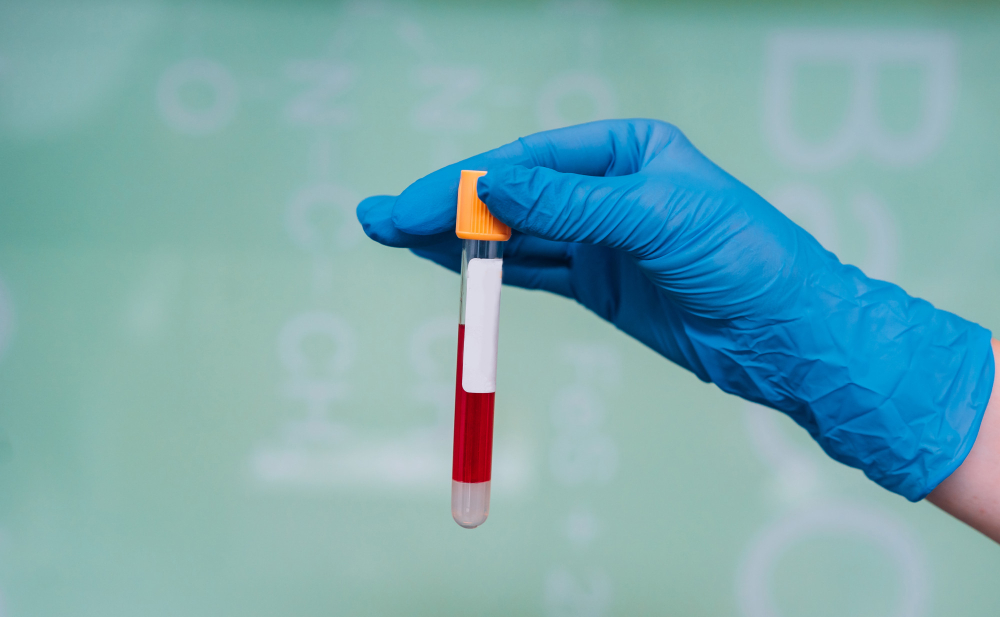
Doctors use several methods to diagnose malaria infection. Early diagnosis helps prevent complications. If you have symptoms and have traveled to a malaria area, tell your doctor right away. Common ways to diagnose malaria include:
Sometimes, more than one test is needed. Because malaria symptoms can look like other illnesses, testing is important for the right treatment.
Malaria treatment options depend on the type of parasite and how sick the person is. Most people recover fully with the right medicine. Doctors often use antimalarial drugs, such as:
In severe cases, treatment may require hospital care. Early treatment lowers the risk of serious problems. Always finish the full course of medicine, even if you feel better.
Preventing malaria infection is possible with simple steps. If you live in or travel to a malaria area, consider these malaria prevention tips:
Additionally, talk to your doctor before traveling to high-risk regions. They can suggest the best prevention plan for you.
If you have a fever or feel unwell after visiting a malaria area, seek medical help right away. Early care can save lives. Even if your symptoms are mild, it is better to be safe. Tell your doctor about your travel history and any mosquito bites. Quick diagnosis and treatment are the best ways to recover from malaria infection.
In summary, malaria infection is serious but preventable. Stay alert to symptoms, follow prevention tips, and consult Dr. Imrose Suleman for personalized advice on malaria infection.