
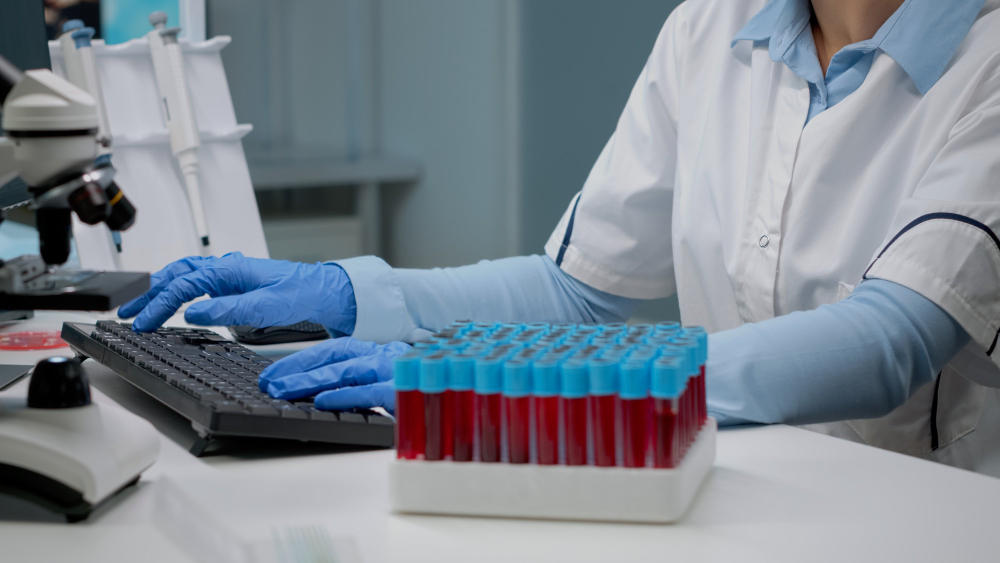
An iron studies test is a blood test that checks the amount of iron in your body. Doctors often call it an iron panel or iron blood test. This test looks at several parts of your blood to see how much iron you have and how your body uses it. For example, it measures iron, ferritin, transferrin, and total iron-binding capacity (TIBC). These parts help doctors find out if you have too little or too much iron.
Doctors order an iron studies test for many reasons. Often, they use it to check for iron deficiency or iron overload. Sometimes, it helps diagnose anemia, which means you do not have enough healthy red blood cells. In other cases, it helps find out why you feel tired, weak, or dizzy. If you have symptoms like pale skin, shortness of breath, or frequent headaches, your doctor may suggest this test. Additionally, it can help monitor treatment for iron-related problems.
Before the iron studies test, your doctor may give you special instructions. Sometimes, you need to fast for 8–12 hours before the test. This means you should not eat or drink anything except water. Fasting helps get the most accurate results. However, always follow your doctor’s advice. In addition, tell your doctor about any medicines or supplements you take. Some drugs or vitamins, like iron pills, can affect your results.
The iron studies test is simple and quick. First, a healthcare worker will clean your arm. Next, they will use a small needle to take a blood sample from a vein. Usually, this takes only a few minutes. After the blood is collected, you can go back to your normal activities. Sometimes, you may feel a little pinch or bruise, but this goes away soon.
After the test, your doctor will review your results. The iron studies test looks at several key parts:
For example, low iron and ferritin may mean iron deficiency. High ferritin can show iron overload or inflammation. High TIBC often means your body needs more iron. However, only a doctor can explain what your results mean for you. Each lab may have slightly different normal ranges.
If your iron studies test results are not normal, do not worry right away. Many things can affect iron levels, such as diet, illness, or medicines. Your doctor may order more tests to find the cause. Sometimes, you may need to change your diet or take iron supplements. In other cases, you may need treatment for another health problem. Always follow your doctor’s advice for the best care.
If you have symptoms like tiredness, pale skin, or frequent headaches, talk to your doctor. Also, if your iron studies test results are abnormal, ask your doctor what to do next. Early care can help prevent more serious problems. For any questions about your health or test results, your healthcare provider is the best source of advice.
Consult a healthcare professional Imrose suleman for personalized advice about your iron studies test results.