
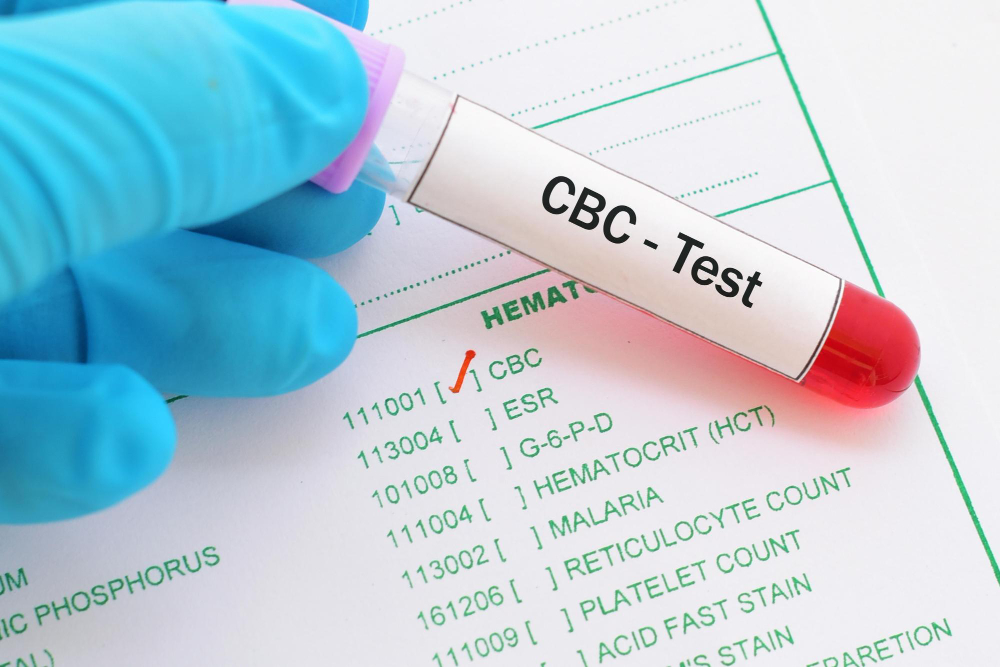
The CBC, or Complete Blood Count, is a common blood test. It helps doctors check your overall health. Often, a CBC is ordered during routine checkups or when you feel unwell. Because it gives important information about your blood, it can help find many health problems early. In this blog, you will learn what a CBC is, why it is done, and what your results may mean.
A CBC, or Complete Blood Count, is a simple blood test. It measures different parts of your blood. This test helps doctors see how well your body is working. Usually, a CBC looks at three main types of blood cells:
In addition, a CBC also checks your hemoglobin and hematocrit. Hemoglobin is the protein in red blood cells that carries oxygen. Hematocrit shows the percentage of your blood made up of red blood cells.
Doctors order a CBC for many reasons. For example, it is often part of a routine health check. Sometimes, it helps find the cause of symptoms like tiredness, weakness, or fever. In other cases, a CBC can help diagnose infections, anemia, or other blood problems. Also, doctors use CBC tests to monitor certain health conditions or to check how treatments are working.
Getting a CBC is simple and quick. First, you may not need to do anything special to prepare. However, your doctor may ask you to avoid eating or drinking before the test in some cases. Next, a nurse or lab worker will clean your arm. Then, they will use a small needle to take a blood sample from a vein. The process usually takes just a few minutes. Afterward, you can go back to your normal activities. Sometimes, you may feel a small pinch or bruise, but this goes away quickly.
After your blood is tested, your doctor will review the results. Each part of the CBC has a normal range. These ranges can vary by age, sex, and lab. If your results are outside the normal range, it does not always mean you are sick. However, it can be a sign that something needs attention. Here are some key findings:
For more details, your doctor may compare your results to the CBC normal range and explain what they mean for you. (Source: CDC, WHO)
Once you get your CBC results, it is important to talk with your healthcare provider. They can explain what the numbers mean for your health. If your results are normal, you may not need to do anything else. However, if something is outside the normal range, your doctor may suggest more tests or treatments. Always ask questions if you do not understand your results. Your doctor is there to help you make the best choices for your health.
A CBC test can detect many things. For example, it can find anemia, infections, and some blood disorders. It also helps check your overall health.
The normal range depends on your age, sex, and the lab. Your doctor will tell you if your results are normal for you.
Usually, you do not need to fast. However, your doctor will let you know if you need to avoid food or drink before the test.
You may feel a small pinch when the needle goes in. Most people find it quick and easy.
In many cases, results are ready within a day. Your doctor will share them with you as soon as possible.
In summary, a CBC is a simple but powerful test. It gives important clues about your health. If you have questions about your CBC results, consult a healthcare professional at LAB 24 Diagnostic Centre for personalized advice about your CBC results.