
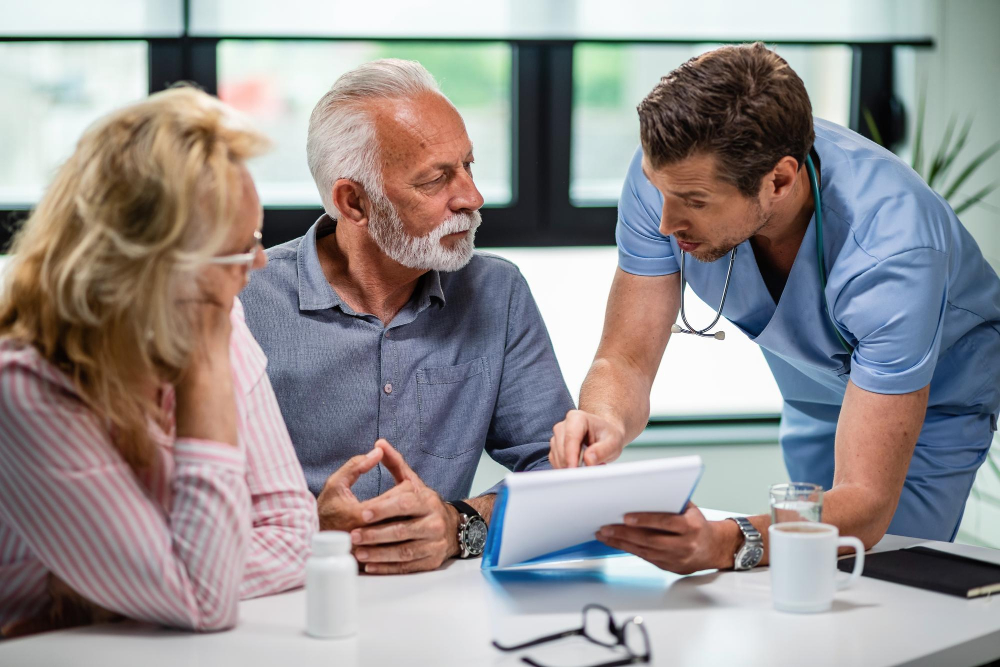
A health check up for elderly means a full review of an older adult’s health. It includes tests, screenings, and advice to help seniors stay healthy. As people age, their health needs change. Therefore, regular check ups become more important. Early detection of problems can lead to better outcomes. In this blog, you will learn why health check ups for elderly people matter, which tests are needed, and how to prepare for them.
First, regular health check ups help find health issues early. Early detection often means easier treatment. For example, catching high blood pressure early can prevent heart problems. Also, check ups help doctors track changes in health over time. This can improve the quality of life for seniors. In addition, regular visits help prevent new problems from starting. According to the World Health Organization (WHO), preventive care for seniors can reduce hospital visits and improve well-being.
Many older adults face certain health problems more often. Knowing these common issues helps guide the right tests and care. Some of the most common conditions include:
For a complete elderly health screening, doctors often suggest several key tests. These help spot problems early and guide treatment. Important tests include:
Getting ready for a health check up can make the visit easier. Here are some helpful tips for elderly patients and caregivers:
Besides regular check ups, healthy habits play a big role in elderly health. For example, eating a balanced diet helps keep bones and the heart strong. Staying active with gentle exercise, like walking, can boost mood and mobility. Also, getting enough sleep is important for memory and energy. Vaccinations, such as the flu shot and pneumonia vaccine, protect against serious illness. Regular follow-ups with your doctor help track progress and adjust care as needed.
Sometimes, seniors need to see a specialist for certain problems. Warning signs include sudden weight loss, chest pain, trouble breathing, or confusion. If you notice any of these, seek medical help right away. In addition, ongoing pain, vision changes, or memory loss should be checked by a doctor. Personalized advice from a healthcare specialist ensures the best care for each person.
In summary, a health check up for elderly people is key to staying healthy and active. Regular screenings, healthy habits, and preventive care can make a big difference. Early detection and treatment help prevent serious problems. Reach out to Dr. Imrose Suleman for expert guidance on a personalized health check-up plan.