
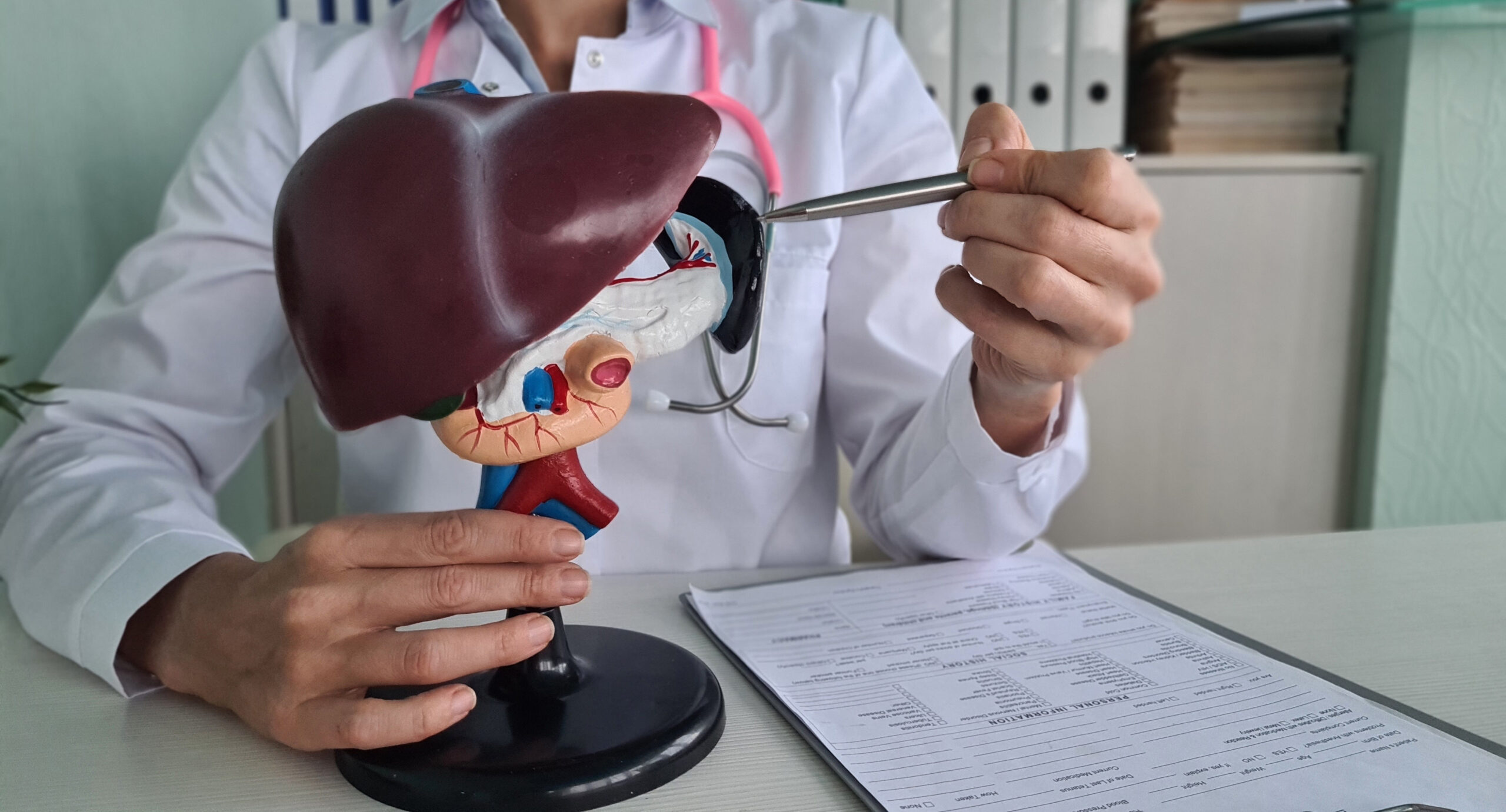
Liver function tests are simple blood tests that check how well your liver works. These tests help doctors spot liver problems early. Because your liver does many important jobs, keeping it healthy is vital. For example, it helps break down food, removes toxins, and stores energy. If you want to know more about liver health check and LFT meaning, this guide will help you understand the basics.
Liver function tests, often called LFTs, measure different chemicals in your blood. These chemicals show how well your liver is working. Usually, doctors order these tests if you have symptoms of liver problems or as part of a routine checkup. In many cases, liver function tests can find issues before you feel sick. According to the CDC, these tests are safe and quick.
There are several types of liver function tests. Each one checks a different part of your liver’s job. Here are the most common types:
Each test gives clues about your liver’s health. Together, they help doctors find the cause of any problems.
Doctors use liver function tests for many reasons. Sometimes, they check your liver if you have certain symptoms. Other times, they use these tests to watch ongoing liver conditions. For instance, you may need these tests if you:
In addition, liver function tests help track how well treatments are working. They also help doctors find problems early, even before symptoms appear.
Most of the time, you do not need special steps before a liver function test. However, your doctor may ask you to avoid eating or drinking for a few hours. Sometimes, certain medicines can affect your results. Therefore, always tell your doctor about any pills or supplements you take. If you have questions, ask your healthcare provider before the test. This way, you get the most accurate results.
Liver test results explained can seem confusing at first. Each test has a normal range. If your numbers are outside this range, it may mean your liver is not working as it should. For example:
However, not all abnormal results mean you have a serious problem. Sometimes, other health issues or even exercise can change your results. Because of this, your doctor will look at all your test results together. They may also order more tests if needed. For more details, always ask your doctor to explain your liver test results.
Some symptoms can signal liver problems. If you notice any of these, you may need a liver health check:
If you have any of these symptoms, contact your doctor. Early testing can help find and treat liver problems sooner.
Keeping your liver healthy is important for your overall well-being. Here are some simple tips:
By following these steps, you can lower your risk of liver disease. The World Health Organization also recommends regular checkups for those at higher risk.
If you have symptoms of liver problems or abnormal liver test results, it is important to seek medical advice early. Timely diagnosis and treatment can help prevent serious liver complications and support better long-term health. Even without symptoms, regular liver function tests (LFTs) can help detect issues at an early stage.
For expert guidance on liver health, test interpretation, and preventive care, consult Imrose Suleman for personalized advice tailored to your liver function test results and overall well-being.