
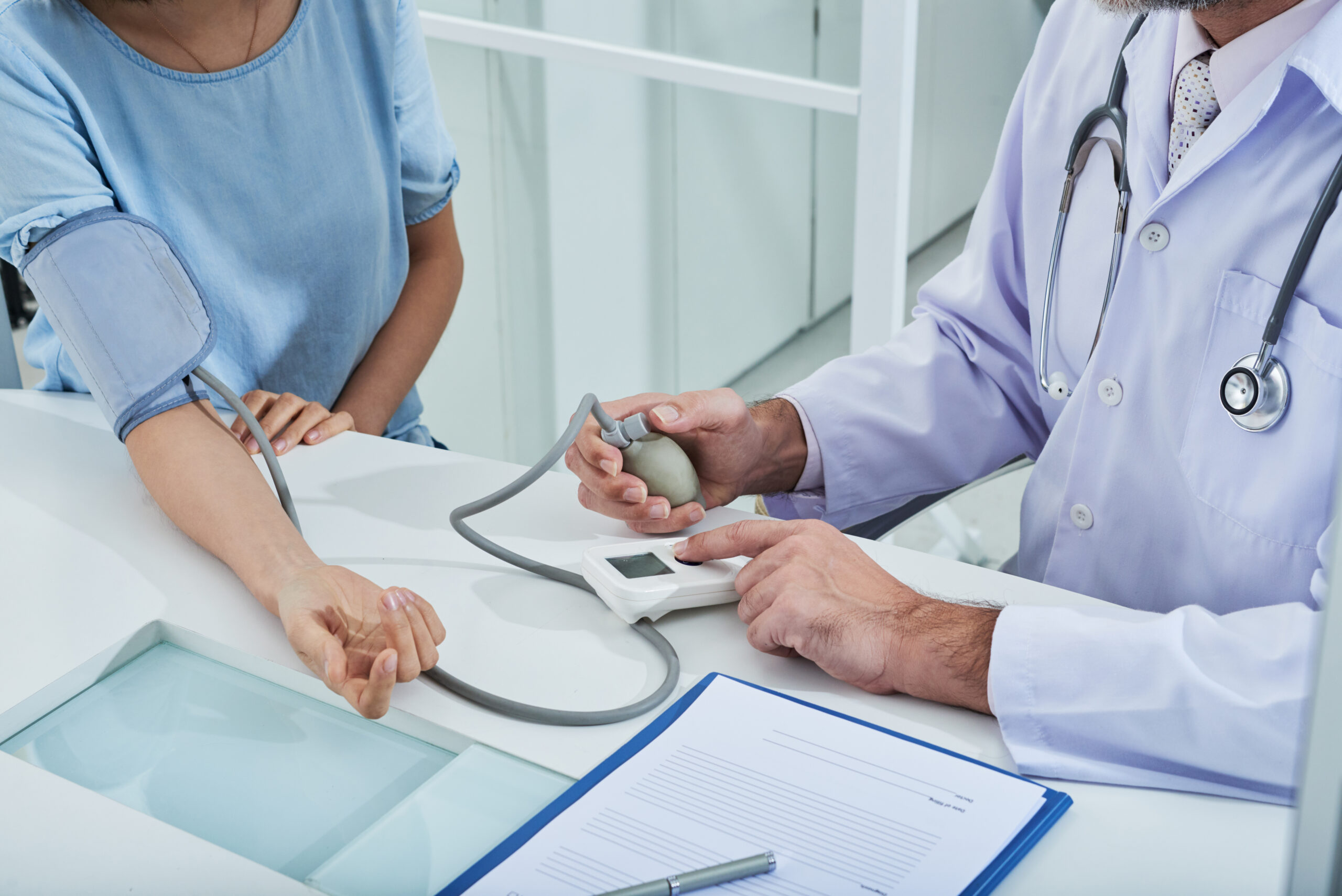
A preventive health checkup is a routine health screening that helps you stay healthy. It involves a set of tests and exams to find health problems early. Because many diseases do not show symptoms at first, these checkups are important for everyone. Early disease detection can make treatment easier and more effective. In many cities, preventive health checkups are now easy to access and can be tailored to your needs.
Regular health assessments offer many benefits. For example, they help catch diseases before you feel sick. This means you can start treatment sooner. In addition, early care often leads to better results and lower costs. According to the World Health Organization (WHO), early detection can reduce the risk of serious illness and death. Here are some key benefits:
During a preventive health checkup, your doctor or nurse will ask about your medical history. Next, you will have a physical examination. Most checkups include routine pathology tests. For example, you may have:
Sometimes, your doctor may suggest more tests based on your age or risk factors. Because each person is different, your health assessment may be tailored to your needs.
Everyone can benefit from a wellness check. However, some people need them more often. For instance, adults over 30 should get a checkup every year. People with family history of diseases, such as heart disease or diabetes, should also get screened regularly. In addition, those with unhealthy habits, like smoking or poor diet, need more frequent checks. Children and young adults may need fewer tests, but regular visits are still helpful. Always ask your doctor how often you should get a preventive health checkup.
Getting ready for your checkup is simple. Still, a few steps can help you get the best results:
Because preparation helps your doctor understand your health better, follow all instructions given by your clinic or pathology lab.
After your checkup, your doctor may give advice on healthy habits. For example, you might be told to eat more fruits and vegetables. Or, you may need to exercise regularly. In addition, quitting smoking and limiting alcohol can lower your risk of disease. If your tests show any problems, follow your doctor’s advice for follow-up care. Remember, small changes can make a big difference in your health.
In summary, a preventive health checkup is a smart way to protect your health. It helps with early disease detection, better outcomes, and peace of mind. Because everyone’s needs are different, consult Dr. Imrose Suleman for personalized preventive health checkup guidance.