
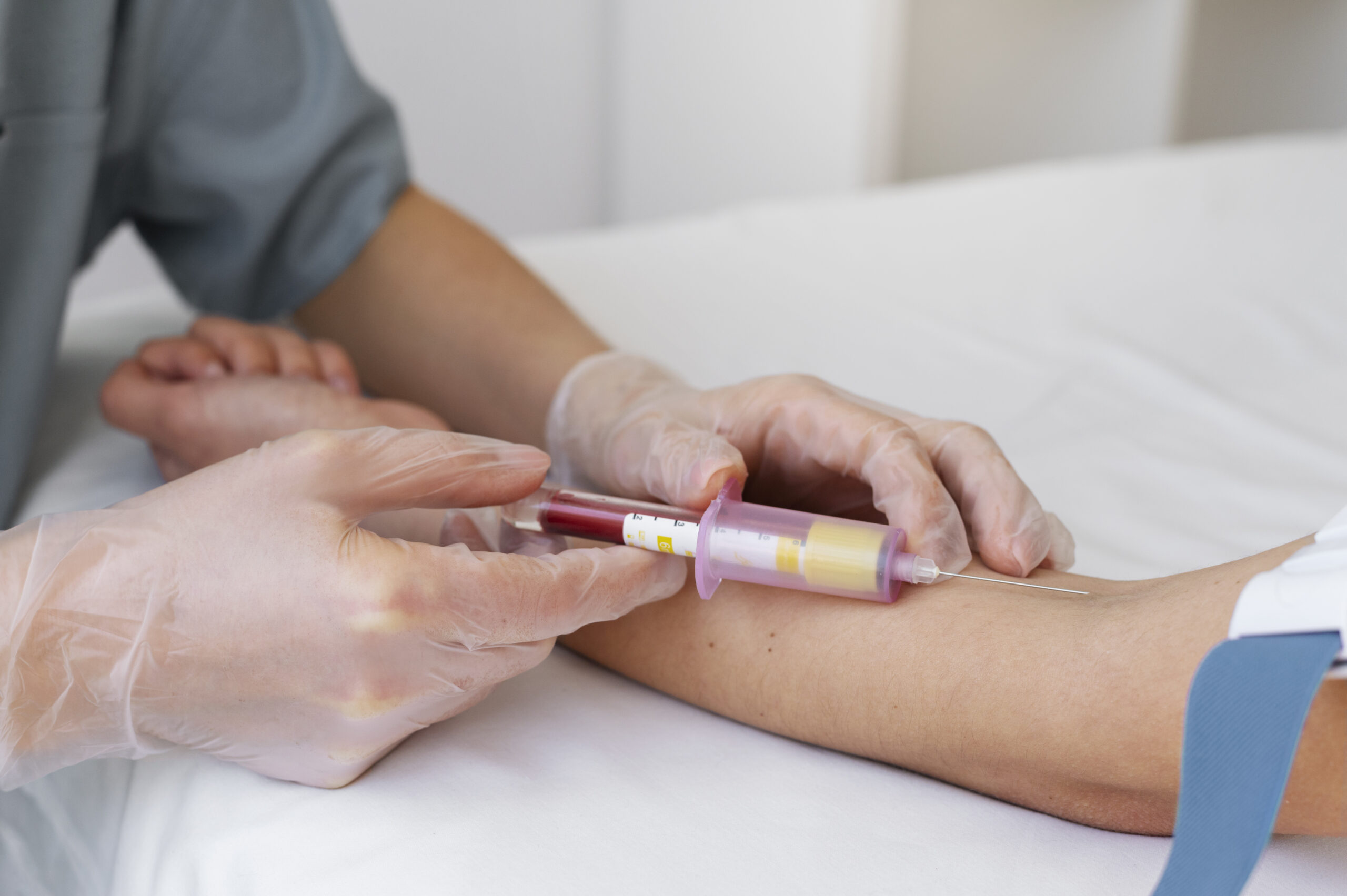
An arterial blood gas test checks the levels of oxygen and carbon dioxide in your blood. Doctors often use this test to see how well your lungs and kidneys are working. Because it gives quick results, the arterial blood gas test is important in emergencies. It helps guide treatment for breathing or heart problems. According to the CDC, this test is common in hospitals and clinics.
An arterial blood gas test, also called an ABG test, measures gases and acid-base balance in your blood. Unlike regular blood tests, it uses blood from an artery, not a vein. This test shows how well your body moves oxygen into the blood and removes carbon dioxide. As a result, it helps doctors check your lung and kidney function.
Doctors order an arterial blood gas test for several reasons. For example, you may need it if you have trouble breathing or show signs of low oxygen. Sometimes, it helps check how well oxygen therapy or a ventilator is working. Common reasons for an ABG test include:
Additionally, doctors may use this test to monitor people with heart or lung conditions.
First, a healthcare worker will clean your skin, usually near your wrist. Next, they feel for your pulse to find the artery. Then, they insert a small needle into the artery to draw blood. You may feel a quick sting or some pressure. Afterward, they press on the spot to stop bleeding. The whole ABG test procedure takes only a few minutes. Here’s what to expect, step by step:
Because the artery is deeper than a vein, the test may feel more uncomfortable than a regular blood draw. However, the discomfort is brief.
The arterial blood gas test gives several important numbers. These include:
Normal values can vary, but here are typical ranges:
If your results are outside these ranges, it may mean:
For example, low oxygen may signal lung disease, while high acid may point to kidney problems. However, only a doctor can explain what your results mean for you.
Most people have no serious problems after an arterial blood gas test. Still, some side effects can happen. For instance, you might notice:
Applying pressure after the test helps prevent most problems. If you notice severe pain or swelling, contact your doctor right away.
Usually, you do not need special steps before an arterial blood gas test. However, you should tell your doctor if you:
Sometimes, you may need to rest quietly before the test. This helps get the most accurate results. Always follow your healthcare provider’s instructions.
An arterial blood gas test is a quick way to check your body’s oxygen, carbon dioxide, and acid levels. Because it helps doctors diagnose and treat many conditions, it is an important tool in healthcare. If you have questions or need this test, consult Dr. Imrose Suleman for personalized advice about arterial blood gas tests.