
Generic selectors
Exact matches only
Search in title
Search in content
Post Type Selectors

Lipid Profile Test: What It Is, Why It Matters, and How to Prepare

What Is a Lipid Profile Test?

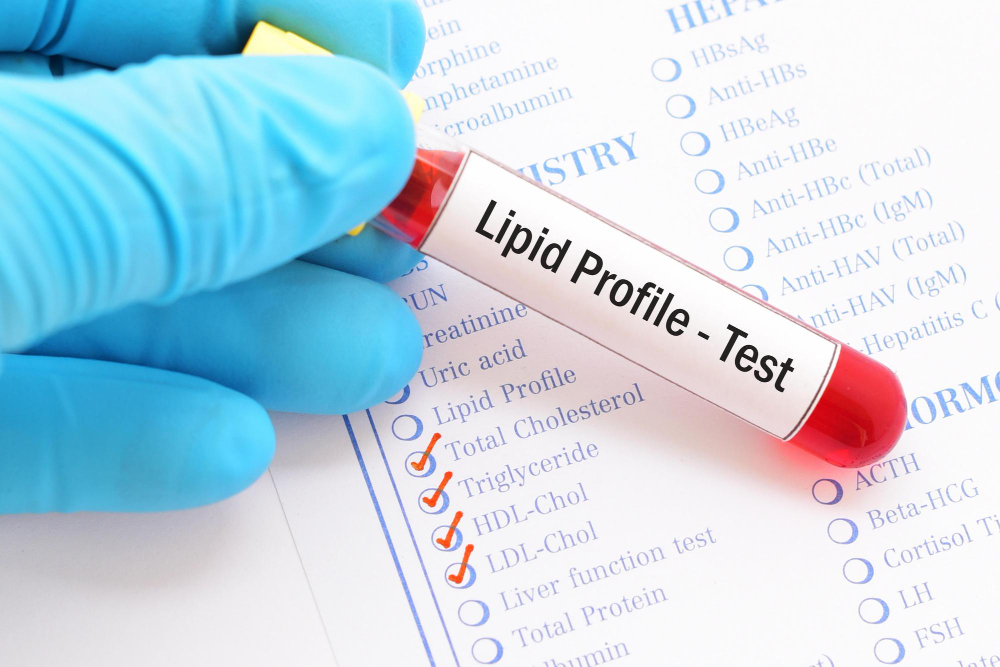
A lipid profile test is a simple blood test. It checks the levels of fats in your blood. These fats are called lipids. Most people know them as cholesterol and triglycerides. Doctors use this test to see your risk for heart disease. Because it is quick and easy, many people get it during a regular checkup.

Why Is a Lipid Profile Test Important?

Many people do not know they have high cholesterol. However, high blood lipid levels can harm your heart and blood vessels. Over time, this can lead to heart attacks or strokes. For this reason, a cholesterol test helps find problems early. Early action can protect your heart health and lower your risk of serious illness.

What Does a Lipid Profile Test Measure?

The lipid panel checks several types of fats in your blood. Each one tells your doctor something different about your health. For example, some fats are helpful, while others can be harmful. The test usually measures:

  • Total cholesterol: The overall amount of cholesterol in your blood.
  • LDL cholesterol: Often called “bad” cholesterol. High levels can block your arteries.
  • HDL cholesterol: Known as “good” cholesterol. It helps remove bad cholesterol from your blood.
  • Triglycerides: Another type of fat. High levels can also raise your risk of heart disease.
  • Who Should Get a Lipid Profile Test?

    Doctors recommend a lipid profile test for many people. You may need this test if you:

  • Are over 20 years old (every 4-6 years for adults)
  • Have a family history of heart disease
  • Have diabetes or high blood pressure
  • Are overweight or smoke
  • Have had high cholesterol before
  • Even if you feel healthy, it is wise to check your blood lipid levels. Early testing can help you stay healthy for longer.

    How to Prepare for a Lipid Profile Test

    Before your lipid profile test, your doctor may ask you to fast. Fasting means you do not eat or drink anything except water for 9 to 12 hours. This helps give the most accurate results. However, some new tests may not need fasting. Always ask your doctor what is best for you. To get ready for your test:

  • Follow your doctor’s instructions about fasting before the lipid test
  • Drink water if you feel thirsty
  • Avoid alcohol for at least 24 hours before the test
  • Tell your doctor about any medicines you take
  • Because some medicines can affect your results, your doctor may give you special advice.

    Understanding Your Lipid Profile Results

    After your test, your doctor will explain your results. Each part of the lipid panel has a normal lipid profile range. Here are some general guidelines (values may vary):

  • Total cholesterol: Less than 200 mg/dL
  • LDL cholesterol: Less than 100 mg/dL
  • HDL cholesterol: 40 mg/dL or higher (men), 50 mg/dL or higher (women)
  • Triglycerides: Less than 150 mg/dL
  • If your numbers are outside these ranges, do not worry. Your doctor will help you understand what they mean. Sometimes, small changes in your diet or lifestyle can make a big difference.

    Tips for Maintaining Healthy Lipid Levels

    Keeping your blood lipid levels in a healthy range is important. Here are some simple tips:

  • Eat more fruits, vegetables, and whole grains
  • Choose lean meats and low-fat dairy products
  • Limit foods high in saturated fat and trans fat
  • Exercise regularly, even a daily walk helps
  • Avoid smoking and limit alcohol
  • Maintain a healthy weight
  • Because small steps can lead to big changes, start with one or two habits and build from there.

    Frequently Asked Questions About Lipid Profile Tests

  • Is the test painful? No, it is a simple blood draw. You may feel a quick pinch.
  • How long does it take to get results? Most people get results in a few days.
  • Do I always need to fast? Not always. Ask your doctor what is right for you.
  • Can children get this test? Yes, if they have risk factors or a family history of heart disease.
  • What if my results are high? Your doctor will guide you on next steps. Often, lifestyle changes help.
  • In summary, a lipid profile test is a key tool for checking your heart health. It is easy, safe, and can help prevent serious problems. Consult Dr. Imrose Suleman for personalized advice about your lipid profile test results.