
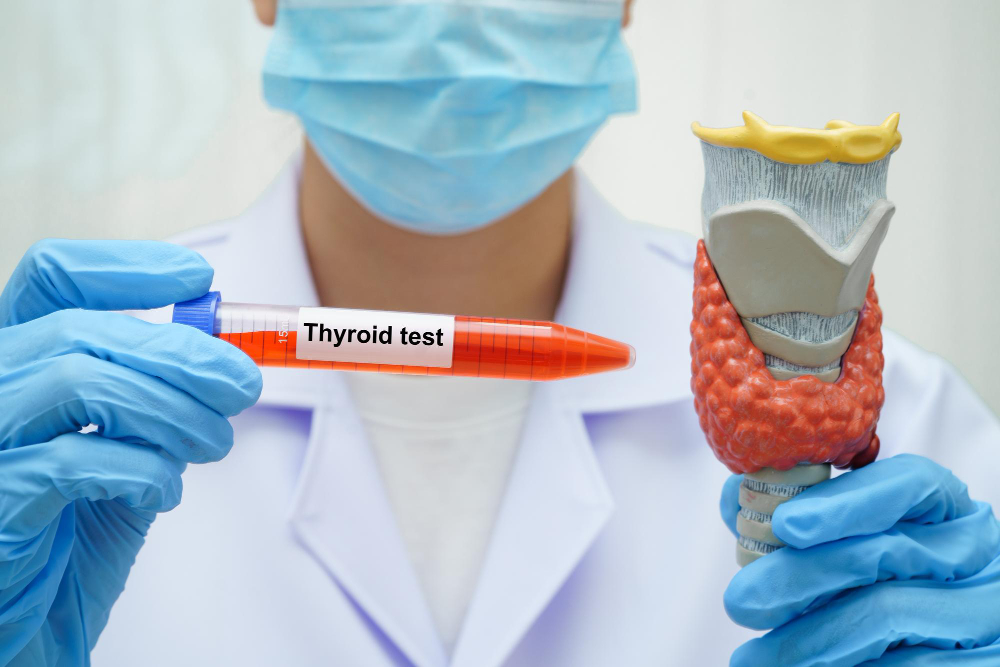
Thyroid panel tests help doctors check how well your thyroid gland works. The thyroid is a small gland in your neck. It makes hormones that control many body functions. Because these hormones affect energy, mood, and growth, it is important to keep them balanced. Many people hear about thyroid panel tests when they feel tired, gain weight, or notice changes in mood. In fact, understanding thyroid panel tests can help you take charge of your health.
Doctors may order thyroid panel tests for several reasons. For example, you might have symptoms that suggest a thyroid problem. Sometimes, your doctor checks your thyroid during a routine exam. Here are some common reasons:
Additionally, women who are pregnant or planning pregnancy may need these tests. Early detection can prevent problems for both mother and baby.
Several blood tests make up a thyroid panel. Each test checks a different part of thyroid function. The main tests include:
Sometimes, doctors may order extra tests, such as thyroid antibody tests, if they suspect an immune problem.
Getting a thyroid panel test is simple. First, a healthcare worker draws a small amount of blood from your arm. Usually, you do not need to fast before the test. However, your doctor may give you special instructions. The process takes only a few minutes. Afterward, you can return to your normal activities. Because the test is quick and safe, most people have no side effects. Some may notice mild bruising or soreness at the spot where blood was drawn.
Once your results are ready, your doctor will explain what they mean. Here is a simple guide:
However, only a doctor can give you a full explanation. Sometimes, results can be affected by medicines, illness, or pregnancy. Therefore, always discuss your results with your healthcare provider.
Abnormal thyroid panel results can happen for many reasons. For instance, common causes include:
Because these causes vary, your doctor may order more tests to find the exact reason.
Early detection of thyroid problems can prevent serious health issues. For example, untreated thyroid disease can affect your heart, bones, and mental health. Regular monitoring helps your doctor adjust treatment as needed. In some cases, people need lifelong follow-up. However, with the right care, most people manage thyroid problems well.
After your thyroid panel test, your doctor may suggest lifestyle changes. For instance, you may need to:
Additionally, always tell your doctor about any new symptoms. This helps them adjust your care if needed.
While you cannot prevent all thyroid problems, healthy habits can help. For example, eat a diet rich in fruits, vegetables, and lean proteins. Avoid too much or too little iodine. If you notice symptoms like tiredness, weight changes, or mood swings, talk to your doctor. Early testing can make a big difference. Above all, regular check-ups help catch problems early.
Thyroid panel tests are important tools for checking your thyroid health. They help find problems early and guide treatment. If you have symptoms or risk factors, ask your doctor about thyroid panel tests. Consult Dr. Imrose Suleman for personalized advice about thyroid panel tests.