
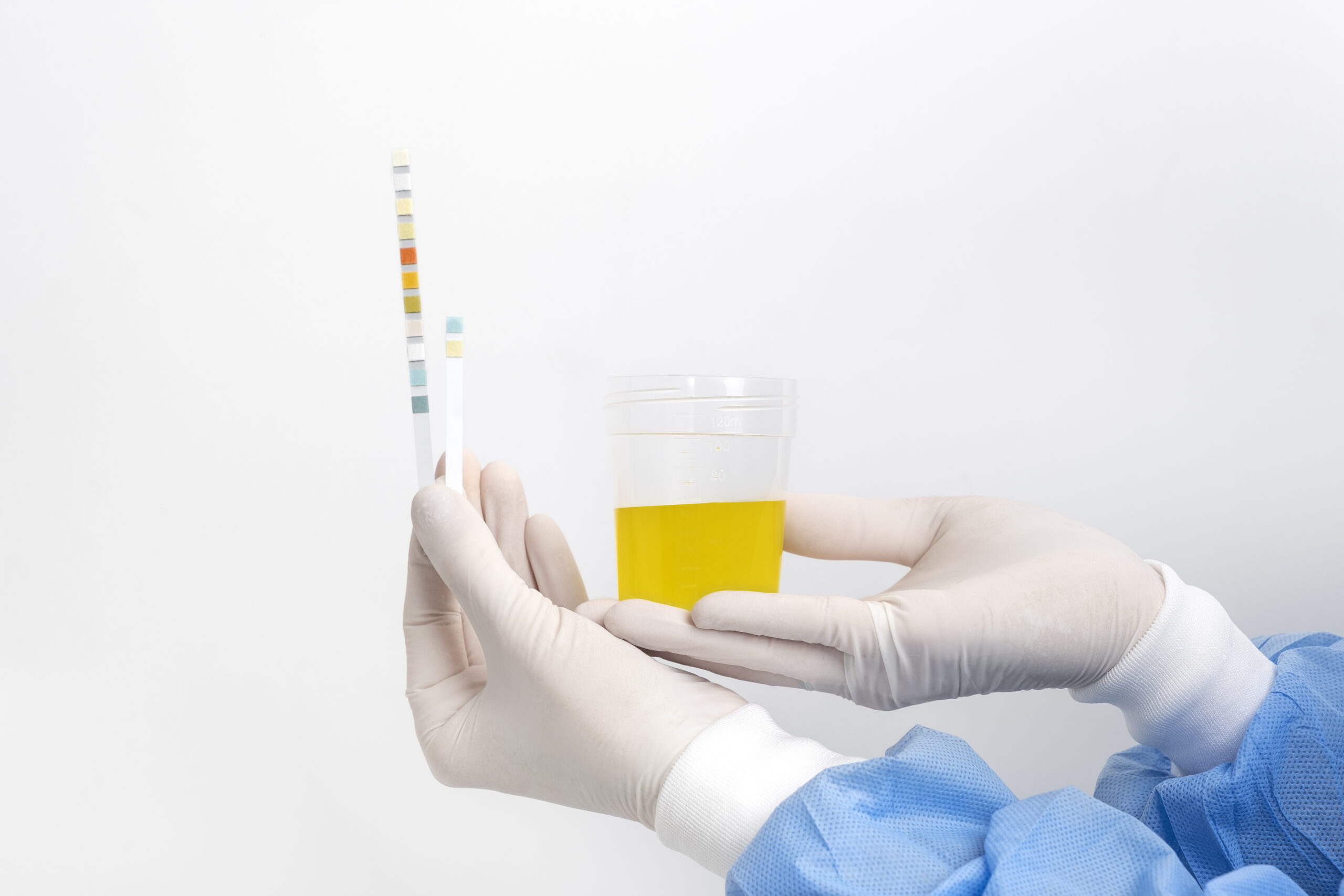
A urine culture and sensitivity test checks for bacteria in your urine. This test helps doctors find out if you have a urine infection. It also shows which medicine can treat the infection best. Many people call this a urine test for bacteria. The test is simple and safe. It is often used for urine infection diagnosis in both children and adults.
Urine infections can cause pain and other problems. If left untreated, they may spread to the kidneys. Therefore, a urine culture and sensitivity test helps doctors choose the right treatment. It also prevents the use of the wrong antibiotics. According to the CDC, correct diagnosis helps stop antibiotic resistance. In short, this test makes sure you get the care you need.
Doctors may suggest this test if you have signs of a urine infection. Some common symptoms include:
Sometimes, children or older adults show different symptoms. For example, they may feel weak or confused. If you notice any of these signs, talk to your doctor.
Many people wonder how urine culture is done. The process is easy and quick. Here are the steps:
This is called the “midstream clean-catch” method. It helps avoid germs from your skin getting into the sample. In some cases, a doctor may collect urine using a catheter. This is rare and only done if needed.
After the test, the lab checks your urine for bacteria. If bacteria grow, the test is positive. The lab then tests which antibiotics can kill the bacteria. This part is called the sensitivity test. Interpreting urine culture results can seem hard, but your doctor will explain them. Usually, results show:
Sometimes, the test may show mixed growth. This means the sample may have been contaminated. In that case, your doctor may ask for a repeat test.
Doctors use the results to choose the right medicine. If the test shows bacteria, you will get an antibiotic that works against it. The sensitivity part helps avoid medicines that do not work. This makes treatment faster and more effective. If no bacteria are found, you may not need antibiotics. Always take the full course of medicine as advised by your doctor.
To get the best results, follow these tips:
Following these steps helps avoid errors and gives clear results.
To prevent urine infections, try these simple steps:
However, if you notice symptoms of a urine infection, see your doctor. Early testing and treatment can prevent serious problems. Also, if you have repeated infections, talk to your healthcare provider.
Consult Dr. Imrose Suleman for personalized advice regarding urine culture and sensitivity tests.