
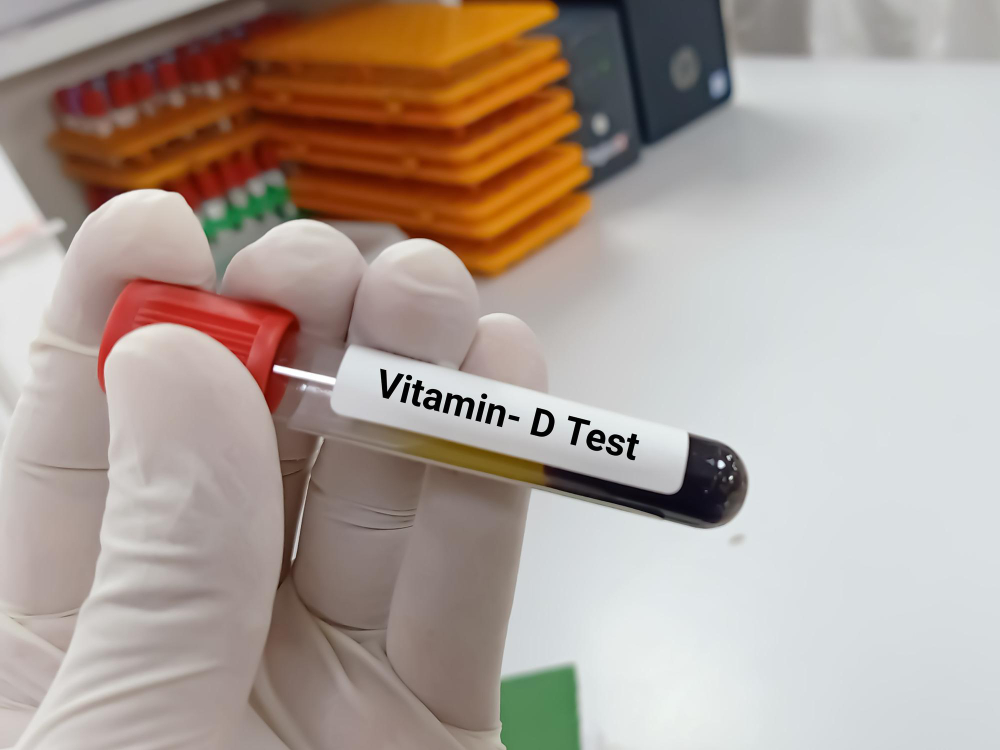
The Vitamin D (25-hydroxyvitamin D) test is a blood test. It checks the level of vitamin D in your body. Many people call it the “Vitamin D deficiency test” or “Vitamin D blood test.” This test helps doctors see if you have too little or too much vitamin D. Because vitamin D is important for bone and immune health, knowing your level can help you stay healthy.
Vitamin D helps your body use calcium. This keeps your bones strong. It also supports your muscles and immune system. However, if you do not have enough vitamin D, you may feel tired or have weak bones. For this reason, the Vitamin D (25-hydroxyvitamin D) test is important. It can show if you need more vitamin D or if you are getting too much. According to the CDC, low vitamin D is common, especially in people who get little sunlight.
Not everyone needs this test. Still, some people are at higher risk for low vitamin D. You may need the test if you:
In addition, your doctor may suggest the test if you have symptoms of low vitamin D. If you live in a place with little sunlight, you may also need to check your vitamin D levels.
The Vitamin D (25-hydroxyvitamin D) test is simple. First, a healthcare worker will clean your arm. Next, they will use a small needle to take a blood sample from your vein. The process takes only a few minutes. Afterward, your blood goes to a lab for testing. Many clinics offer Vitamin D testing in local areas, so you can ask your doctor about options near you.
Once your results are ready, your doctor will explain them. Here is what the numbers usually mean:
However, these ranges may vary by lab. If your level is low, your doctor may suggest more sunlight, foods rich in vitamin D, or supplements. On the other hand, high levels can be harmful. Too much vitamin D may cause kidney problems or other issues. Therefore, always follow your doctor’s advice.
For most people, the Vitamin D (25-hydroxyvitamin D) test is safe. But, like any blood test, there are small risks. You might feel a little pain or see a bruise where the needle went in. Rarely, some people may feel dizzy. Still, these side effects usually go away quickly. If you have concerns, talk to your healthcare provider before the test.
Usually, you do not need to do much to get ready. You can eat and drink as normal before the test. However, some medicines or supplements may affect your results. Therefore, tell your doctor about everything you take. They will let you know if you need to stop any medicine before the test.
In summary, the Vitamin D (25-hydroxyvitamin D) test is a safe and easy way to check your vitamin D level. If you have questions or think you may need this test, consult an Imrose suleman for personalized advice on Vitamin D testing.